

Con Dao Travel Guide: Everything You Need to Know Before You Go
What Makes Con Dao Unique?
Con Dao offers a rare combination of pristine nature, peaceful surroundings, and meaningful cultural heritage. Here are three qualities that make the island especially memorable.
Wonderfully Preserved Nature
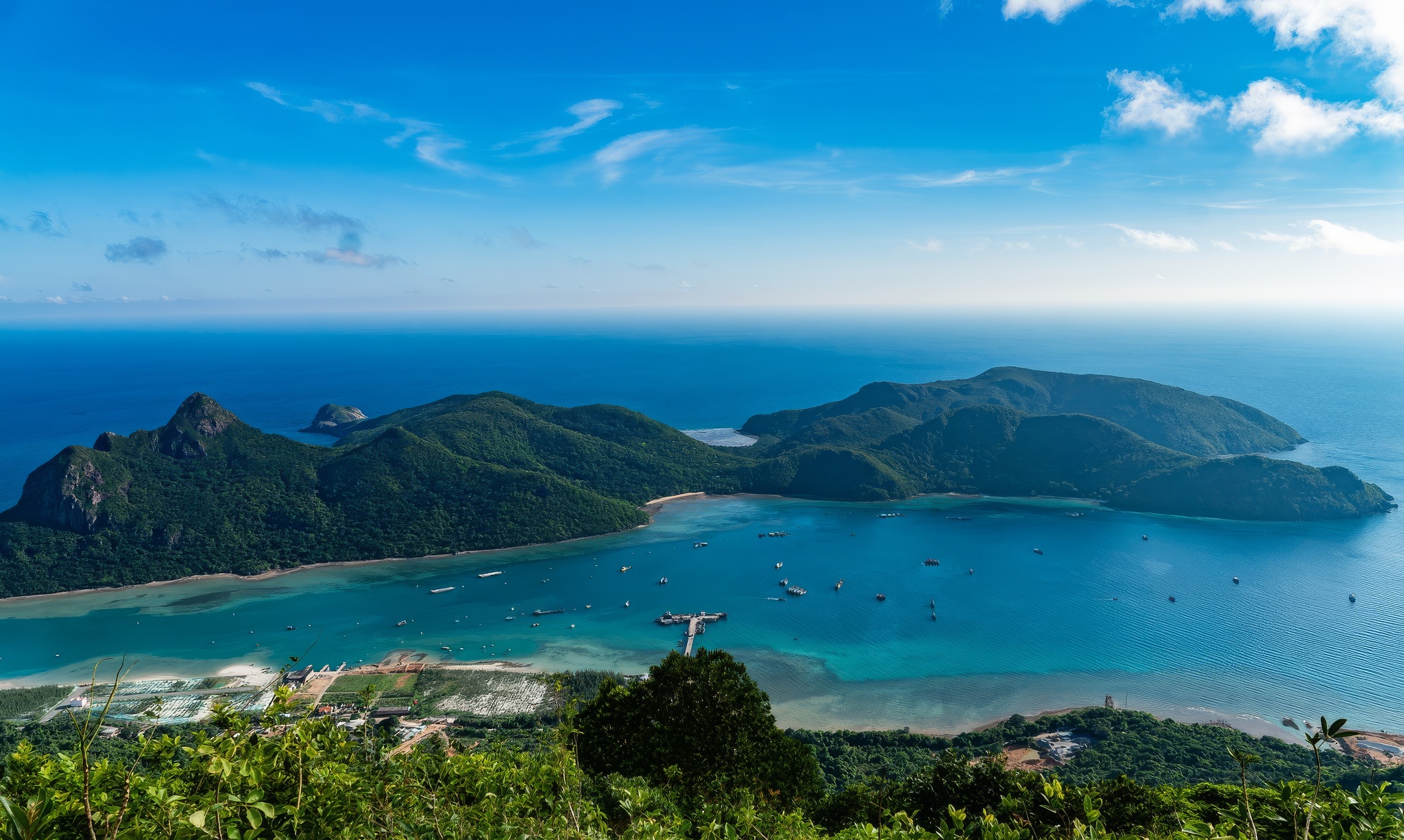
Much of Con Dao is protected by the national park, helping its forests, coastlines, and marine ecosystems retain their natural beauty. Visitors can explore scenic coastal roads, clear waters, coral reefs, and beaches that feel refreshingly unspoiled.
Keeping the island beautiful is a shared responsibility. During your visit, avoid single-use plastics, dispose of waste properly, and follow local conservation guidelines—especially when hiking, snorkelling, or observing sea turtles.
A Peaceful Atmosphere
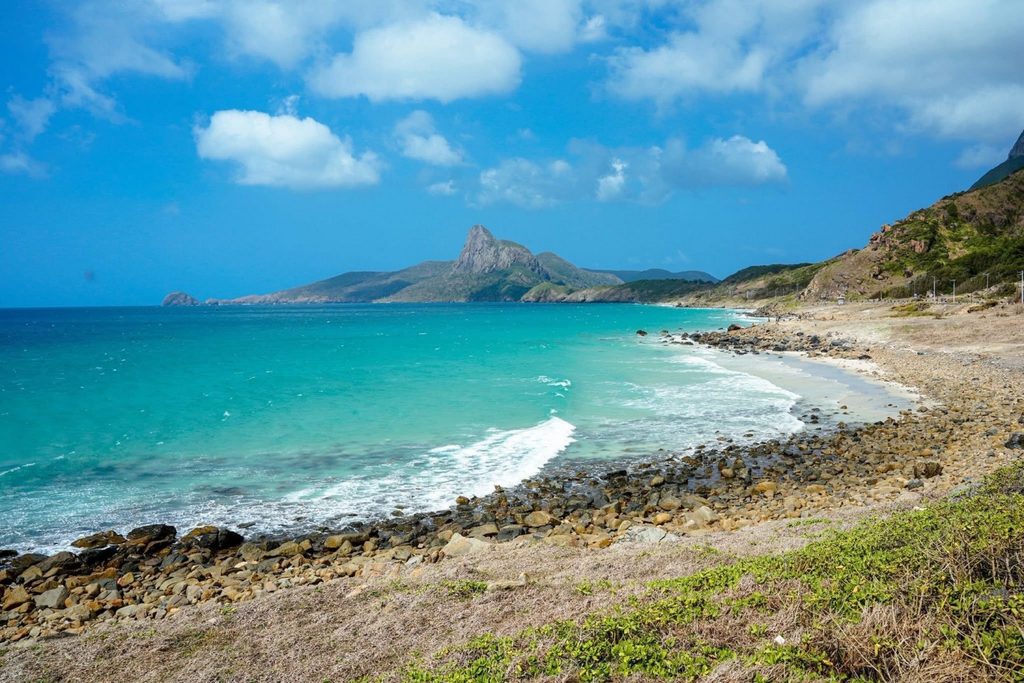
Life on Con Dao moves at a gentler pace. Quiet streets and a welcoming local community create a relaxed atmosphere where travellers can slow down and enjoy the island comfortably.
Although Con Dao is generally considered a peaceful destination, visitors should still take normal travel precautions and look after their personal belongings, particularly in busy public areas.
Uncrowded Places to Explore
Compared with many of Vietnam’s popular coastal destinations, Con Dao remains remarkably uncrowded. Even beaches close to town can feel calm, while a short drive or forest walk leads to secluded bays, panoramic viewpoints, and stretches of coastline with very few visitors.
This sense of space is one of the island’s greatest charms. Whether you are riding along the coast, watching the sunset, or walking through the national park, Con Dao makes it easy to reconnect with nature at your own pace.
How to Get to Con Dao
Although Con Dao feels wonderfully remote, the island can be reached by either plane or high-speed ferry. Flying is the quickest and most convenient option, while travelling by sea can be a scenic choice when the weather is favourable.
By Plane
Direct flights to Con Dao Airport (VCS) are available from Ho Chi Minh City and Can Tho, with connecting itineraries from other major Vietnamese cities. A direct flight from Ho Chi Minh City takes approximately one hour.
Con Dao Airport is located around 15 kilometres from the town centre. After landing, visitors can continue their journey by taxi, shuttle bus, public bus, or a pre-arranged hotel transfer.
Flights can fill up quickly during weekends, public holidays, and the summer travel season, so booking in advance is highly recommended.

By High-Speed Ferry
High-speed ferries operate to Con Dao from several mainland ports, including Tran De in Soc Trang, Vung Tau, and selected ports depending on the season.
Approximate journey times include:
- Tran De to Con Dao: around 2.5 hours
- Vung Tau to Con Dao: around 4 hours
- Ho Chi Minh City to Con Dao: approximately 5–6 hours, when the service is operating
Most ferries arrive at Ben Dam Port, approximately 15 kilometres from Con Dao town. Taxis, shuttle buses, and hotel transfers are usually available for the journey into the centre.
Ferry schedules are highly dependent on sea and weather conditions. Services may be delayed or cancelled, particularly during periods of strong winds and rough seas. Travellers who are prone to motion sickness should take appropriate medication before departure.
Which Option Should You Choose?
Flying is the best choice for a short holiday or a more comfortable journey. The ferry may suit travellers seeking a more adventurous and budget-conscious experience, especially when departing from southern Vietnam.
Whichever option you choose, check the latest schedule before travelling and allow some flexibility in your itinerary. Our hotel team can also assist with local transportation or arrange a transfer from Con Dao Airport or Ben Dam Port upon request.
The Beaches of Con Dao Island
Con Dao Island is home to some of the most beautiful and peaceful beaches in Vietnam. From accessible stretches of sand near the town centre to secluded bays surrounded by forest, each beach offers a different way to experience Con Dao’s natural beauty.
Dam Trau Beach
Located near Con Dao Airport, Dam Trau is one of the island’s most popular beaches. Its golden sand, clear water, and forest-covered surroundings make it ideal for swimming and relaxing. Visitors can also watch aircraft approaching the nearby runway from the beach.
An Hai Beach
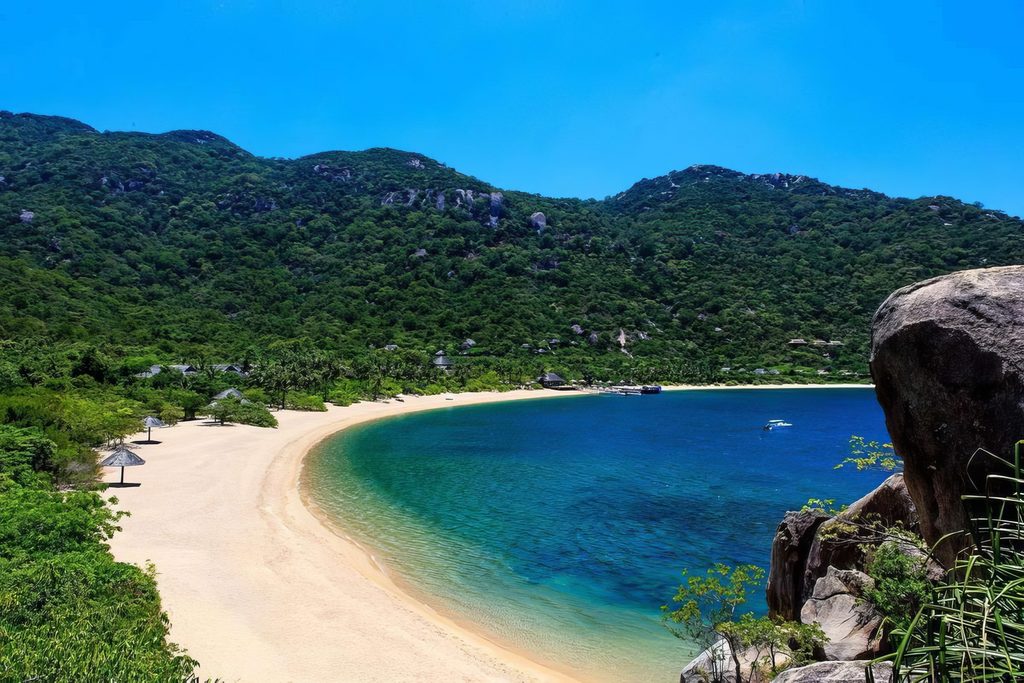
Only a short distance from the town centre, An Hai Beach is convenient for an early-morning walk or a refreshing swim. The water is often calmest in the morning, while the long shoreline offers lovely views of the surrounding mountains.
Lo Voi Beach
Lo Voi Beach provides a quieter atmosphere while remaining close to town. A shaded coastal park runs alongside the spacious beach, making it a pleasant place for walking, picnicking, or enjoying the sunrise. Some areas are rocky, so suitable footwear may be helpful.
Nhat Beach
Nhat Beach is known for its dramatic combination of blue water, rocky hills, and scenic coastal views. Parts of the beach appear or disappear with the changing tide, so timing your visit is important. It is also one of the island’s most memorable places to watch the sunset.
Ong Dung Beach
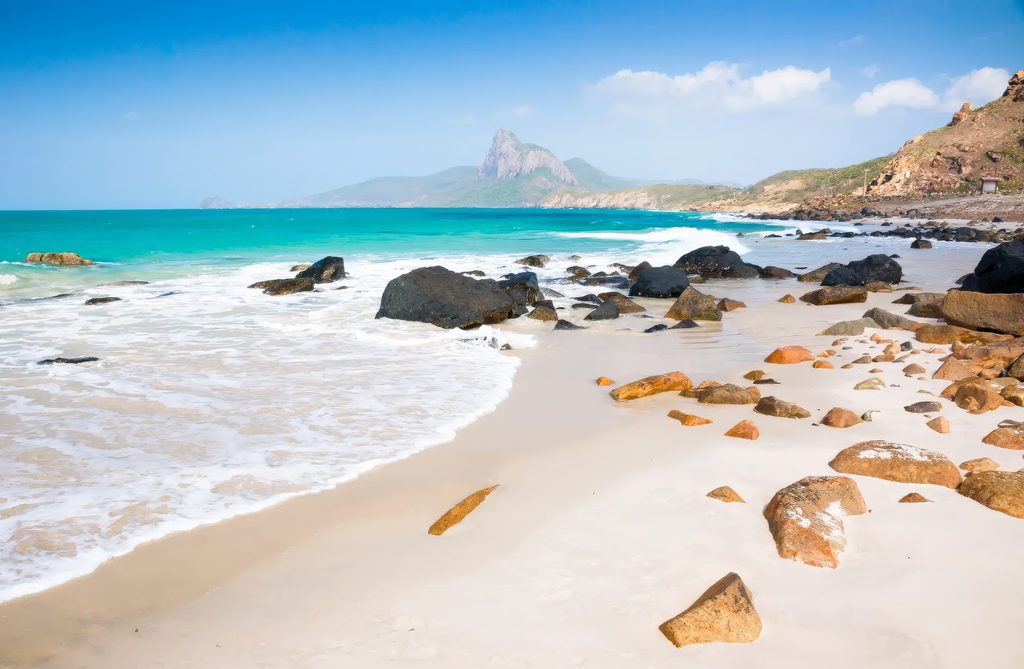
Reached by a short walk through Con Dao National Park, Ong Dung Beach feels wonderfully secluded. Its rocky shoreline and nearby coral make it a popular location for snorkelling, although visitors should take care when entering the water and wear protective footwear.
Tips for Visiting Con Dao’s Beaches
Tides and wind conditions can change significantly throughout the day and across seasons. Some beaches may become difficult to access at high tide, while others can experience strong waves and wind between November and March.
Most beaches do not have lifeguards, so always check the conditions before swimming. Bring drinking water, sun protection, insect repellent, and any food you may need when visiting beaches outside the town centre. Most importantly, take all rubbish with you and help preserve Con Dao’s beautiful coastline.
Hiking on Con Dao Island
With forest-covered mountains, coastal viewpoints, and secluded beaches, Con Dao offers rewarding hiking experiences for both casual walkers and adventurous travellers. Many of the island’s best trails pass through Con Dao National Park, where visitors may encounter macaques, black squirrels, tropical birds, and diverse native plants.
Ong Dung Beach Trail
The trail to Ong Dung Beach is one of the island’s most accessible hikes. Beginning near the national park entrance, the route descends through tropical forest before reaching a quiet, rocky beach. The surrounding reef makes it a popular place for snorkelling when sea conditions are calm.
So Ray Trail
The So Ray trail leads to the remains of a former plantation located in the hills above Con Son town. Along the way, hikers can enjoy dense forest, wildlife sightings, and panoramic views over the town and coastline. Some sections can be steep or slippery, particularly after rain.
Dam Tre Bay
The hike to Dam Tre Bay is longer and more adventurous, taking visitors through forest and coastal landscapes to a secluded bay in the northern part of the island. Because access can be affected by tides, weather, and national park regulations, check current conditions before setting out.
Thanh Gia Peak
Thanh Gia is the highest point on Con Son Island and offers one of its most impressive viewpoints. The route is more demanding than the island’s shorter nature trails and is best suited to travellers with suitable footwear and a reasonable level of fitness.
Lo Voi Mountain Trail
Located approximately two kilometres from Con Son town, the Lo Voi Mountain Trail is a relatively short but moderately challenging hike. The route is around three kilometres long and climbs through dense vegetation to elevated viewpoints overlooking the island’s coastline.
The trail is particularly beautiful in the early morning, making it an appealing choice for hikers hoping to watch the sunrise. From higher sections of the route, visitors can enjoy sweeping views of the sea, surrounding mountains, and the northern coastline.
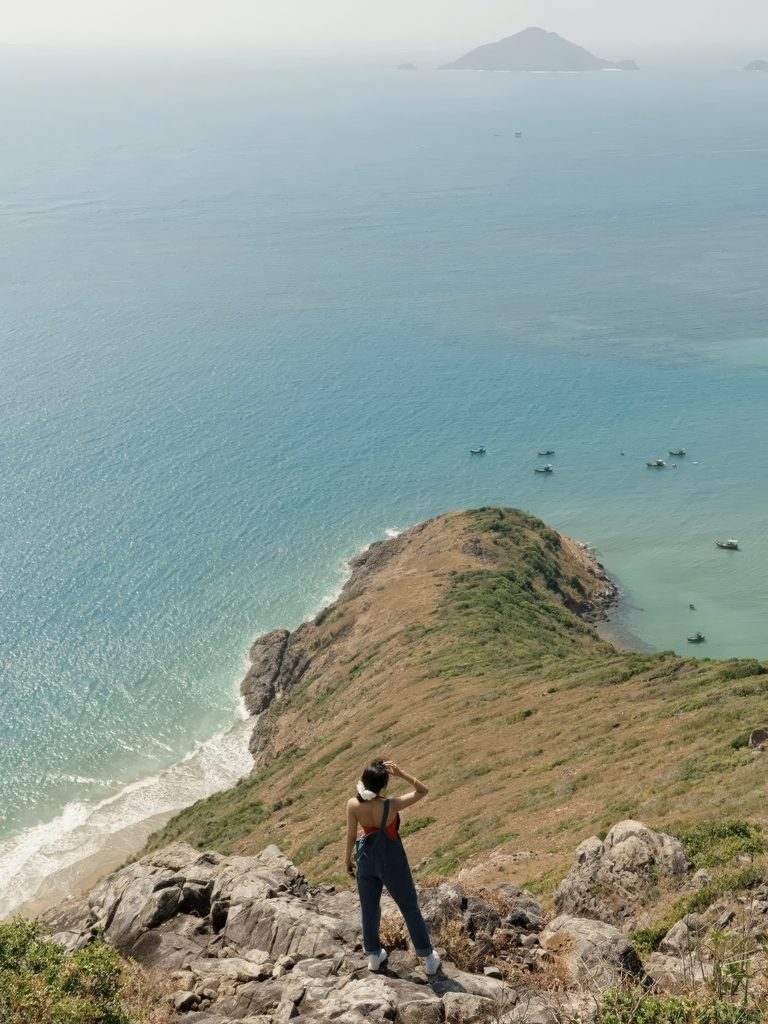
Unlike the maintained trails within Con Dao National Park, Lo Voi is considered an unofficial route. Signage may be limited, and some sections can be steep, overgrown, or slippery after rain. Hikers should wear proper footwear, start early, carry sufficient water, and consider travelling with a knowledgeable local guide.
Essential Hiking Tips
Some trails require registration, an entrance ticket, or permission from Con Dao National Park. Visit the park office or speak with your hotel before departure, as routes may close temporarily because of weather, conservation work, or seasonal conditions.
Forest paths can become extremely slippery, especially where stones are covered with moss. Wear proper walking shoes, carry enough drinking water, and avoid hiking alone on remote or poorly marked routes. Insect repellent, sun protection, and a fully charged phone are also recommended.
Do not feed or approach wild animals, and take all rubbish back with you. Starting early in the morning will help you avoid the hottest part of the day and give you more time to enjoy the island’s scenery.
Explore Con Dao by Motorbike: Where to Go
With quiet roads, dramatic coastal scenery, and attractions spread across the island, a motorbike is one of the most convenient ways to explore Con Dao. The following routes and stops can easily be combined into a half-day or full-day journey.
Ride South to Ben Dam Port
Follow the coastal road south from Con Son town towards Ben Dam Port. This is one of the island’s most scenic rides, with mountains on one side and the sea on the other.
Recommended stops include:
- Nhat Beach: A beautiful beach that is partly revealed at low tide
- Shark Cape: A panoramic coastal viewpoint near Nhat Beach
- Ben Dam Port: A lively harbour surrounded by mountains and small islands
- Hong Dam Beach: A peaceful coastal area overlooking fishing boats and offshore scenery
Ride North to Dam Trau Beach
The northern route follows the coast towards Con Dao Airport and Dam Trau Beach. It features forested hills, quiet bays, and sweeping ocean views.
Recommended stops include:
- Lo Voi Beach: A spacious beach close to town with a shaded waterfront park
- Dam Trau Beach: A popular swimming beach where visitors can watch planes approaching the airport
- Co Ong Temple: A spiritual site near Dam Trau Beach dedicated to Prince Cai
- Scenic airport road: A beautiful stretch of coastal road connecting the airport with the town centre
Before You Set Off
Check your motorbike, helmet, and fuel level before leaving town, as petrol stations and services are limited in remote areas. Carry water, sun protection, and a downloaded map in case mobile coverage becomes unreliable.
Roads may include steep slopes, sharp bends, wandering animals, and strong crosswinds. Avoid riding after dark, follow local traffic regulations, and ensure that your driving licence and travel insurance cover motorbike use.
Discover Con Dao’s History and Culture
Beyond its beaches and forests, Con Dao holds an important place in Vietnam’s modern history. A visit to the island’s prisons, museum, and memorial sites offers a deeper understanding of the people who lived, suffered, and sacrificed their lives here.
Con Son’s Historic Prisons
For more than a century, Con Son was used as a prison island under French colonial rule and, later, by the South Vietnamese government. Today, several former prison complexes are preserved as historical sites.
Notable places include Phu Hai Prison, one of the island’s oldest and largest complexes, and the infamous Tiger Cages at Phu Tuong and Phu Binh. Exhibits, original structures, and life-sized displays illustrate the extremely harsh conditions endured by political prisoners.
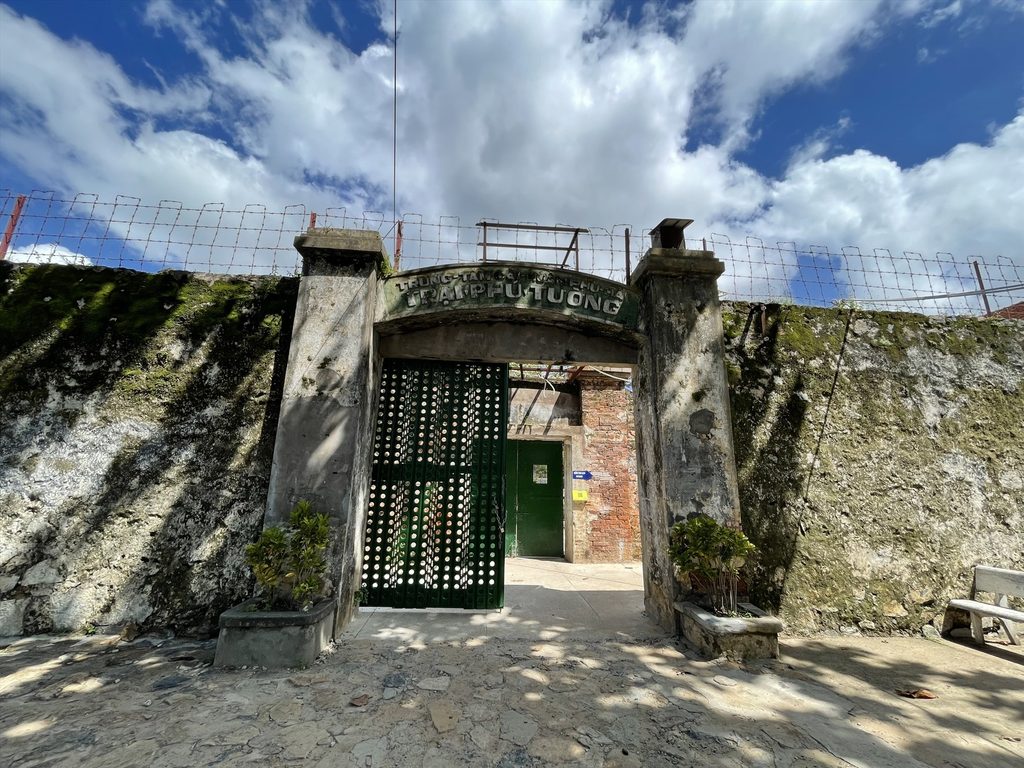
The experience can be emotional and includes graphic historical material. Visitors should allow sufficient time, remain respectful, and consider joining a guided tour to better understand the significance of each site.
Con Dao Museum
Con Dao Museum provides a useful introduction to the island before visiting the former prisons. Its exhibitions cover the natural environment, local life, colonial period, prison system, and Vietnamese revolutionaries associated with Con Dao.
Photographs, documents, personal objects, and historical displays help place the island’s different sites in context. Visiting the museum first can make the experience at the prison complexes more meaningful.
Admission arrangements may include access to several historical sites on the same day. Check the latest ticket information and opening hours before beginning your visit.
Hang Duong Cemetery
Hang Duong Cemetery is the island’s most important memorial site and the resting place of thousands of prisoners and Vietnamese national heroes. Among its best-known graves is that of Vo Thi Sau, a young resistance fighter remembered for her courage.
Residents and visitors come throughout the day—and often in the evening—to offer flowers, incense, and prayers. The cemetery is not simply a tourist attraction but an active place of remembrance with deep spiritual and cultural significance.
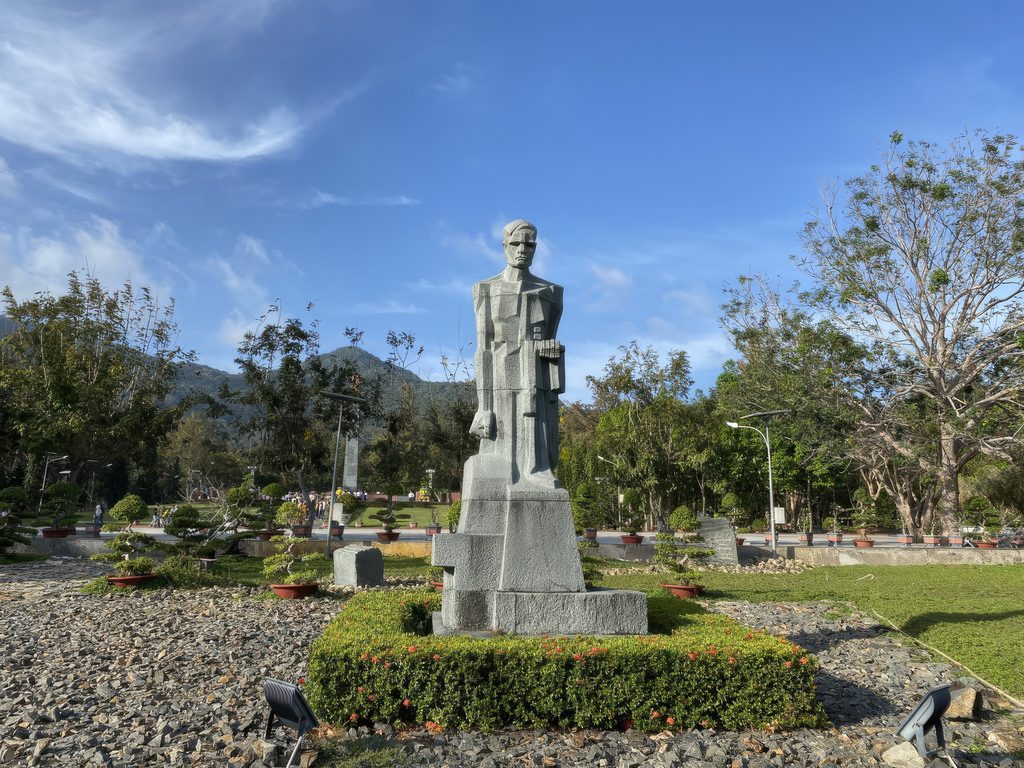
Wear modest clothing, speak quietly, follow posted rules, and avoid taking intrusive photographs during ceremonies. Flowers and incense can be purchased from local shops near the cemetery.
Go Snorkelling or Diving
The protected waters surrounding Con Dao are home to coral reefs, tropical fish, sea turtles, rays, and other marine life. With uncrowded dive sites and clear blue water during favourable conditions, the archipelago is an excellent destination for both snorkelling and scuba diving.
Snorkelling
Snorkelling trips usually visit coral reefs around the smaller islands of the archipelago, such as Bay Canh, Hon Cau, or Hon Tai. Tours commonly include boat transportation, snorkelling equipment, drinking water, and lunch.
Ong Dung Beach also offers opportunities to snorkel closer to the main island. However, its rocky seabed and coral make protective footwear advisable, and visitors should only enter the water when conditions are calm.
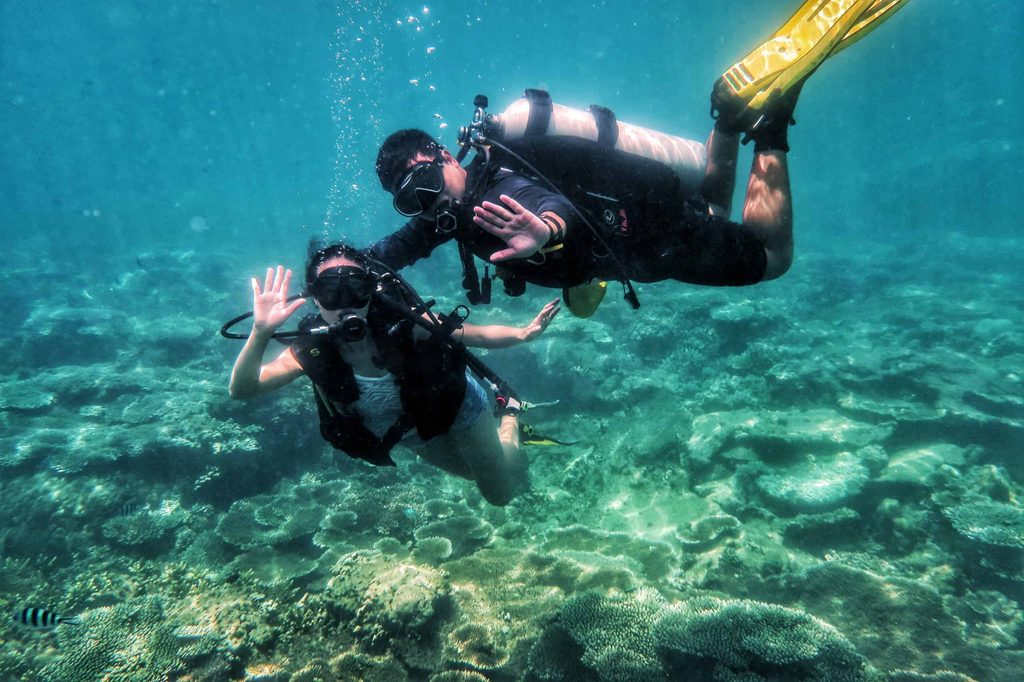
Scuba Diving
Local dive operators offer experiences for different ability levels, from introductory dives for beginners to guided trips for certified divers. Depending on the location and season, divers may encounter colourful coral gardens, schools of tropical fish, rays, sea turtles, and larger marine species.
Choose a reputable operator that provides well-maintained equipment, qualified instructors, clear safety briefings, and suitable insurance. Certified divers should bring their certification card and allow enough time between their final dive and any onward flight.
When to Go
Diving and snorkelling conditions are generally most favourable when the sea is calm and visibility is good, often between March and May. Strong winds and rough water can affect visibility or cause boat trips to be cancelled, particularly from November to March.
Conditions can change quickly, so confirm the forecast and tour availability shortly before departure. Avoid touching or standing on coral, keep a respectful distance from marine animals, and never leave rubbish in the sea.
When to Visit Con Dao
Con Dao can be visited throughout the year, but the experience changes with the seasons. The best time to travel depends on whether you prefer calm seas, fewer rainy days, hiking, or seasonal wildlife experiences.
March to May: Best for Beaches and Water Activities
March to May is generally considered one of the best periods to visit Con Dao. Winds become lighter, the sea is often calmer, and conditions are more suitable for swimming, snorkelling, diving, and boat trips.
Temperatures can be warm, particularly around midday, so plan outdoor activities for the morning or late afternoon. This is also a popular travel period, and flights and accommodation may sell out during weekends and public holidays.
June to September: Rainy Season and Sea Turtles
The summer months bring warmer weather and more frequent rain. Showers can be heavy but are often brief, leaving time for sightseeing and outdoor activities between periods of rainfall.
This is also the main sea turtle nesting and hatching season. Guided conservation experiences may be available through Con Dao National Park, although sightings are never guaranteed and tours depend on weather and wildlife activity.
October to February: Drier but Windier
Rainfall generally decreases towards the end of the year, making November and December popular with some international visitors. However, strong seasonal winds can affect parts of the island from approximately November to March.
Beaches exposed to the prevailing wind may have rough waves, while conditions on the more sheltered side of the island can remain calm. Boat tours, snorkelling, diving, and ferry services may be changed or cancelled when the sea is unsafe.
Is Con Dao Worth Visiting in Winter?
Yes—Con Dao can still be a rewarding destination during the winter months, especially for travellers interested in history, hiking, photography, and peaceful island scenery.
The cooler temperatures are comfortable for exploring the prison sites, Con Dao Museum, Hang Duong Cemetery, temples, and coastal roads. The island also tends to feel quiet and relaxed outside major holidays.
However, winter may not provide the classic tropical beach experience every day. Wind, waves, and reduced underwater visibility can limit swimming and marine activities. Conditions often differ between beaches, so ask your hotel which side of the island is most sheltered during your stay.
If calm water and snorkelling are the main priorities of your holiday, consider visiting between March and May. If you value tranquillity, cultural experiences, and scenic exploration, a winter visit can still be well worthwhile.